Guide
How to Study in Korea: A 2027 Guide for International Students
The honest, source-backed walkthrough. From picking a program to landing a D-2 visa, with costs in both Korean won and US dollars.

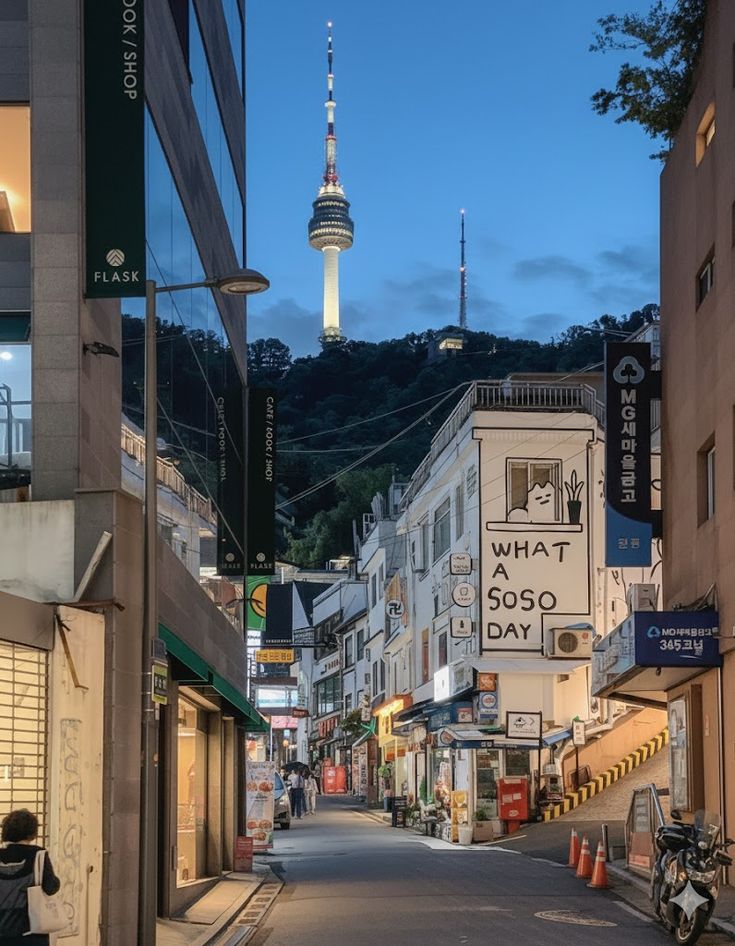
- Korea is genuinely accessible if you start at least 12 months before your target intake.
- Three funding paths exist: Global Korea Scholarship (GKS), university and foundation awards, or self-funded. Most students combine two.
- English-taught tracks let you get in with no Korean. Korean-taught admission needs TOPIK Level 3 up front, you usually need TOPIK 4 to graduate either way, and funded routes like GKS include a year of Korean.
- Tuition runs roughly $3,700 to $13,300 per year. Frugal living in Seoul costs about $890 per month. Outside Seoul, knock 15 to 25 percent off.
- The single most common reason applications fail is missing a small deadline inside a bigger window. Build the full calendar early.
1. Decide what kind of program fits you
Three questions sort 80 percent of the confusion. Answer these before anything else.
Undergraduate or graduate? Korean universities split admissions cleanly. Undergrad applications go through each university's international admissions office on its own calendar. Graduate applications (Masters, PhD) usually have two intakes per year, Spring and Fall, and are run by the graduate school.
English-taught or Korean-taught? Almost every top-20 Korean university now offers fully English-taught tracks in business, engineering, international studies, and some sciences. Korean-taught programs are cheaper, broader in subject choice, and open up the strongest scholarship pool, but require TOPIK Level 3 or higher before you can register for classes.
Research or coursework? This matters mainly for Masters applicants. Korean Masters programs in STEM are usually research-heavy and tied to a specific lab and advisor. Coursework-only Masters exist but are rarer, and the funding profile is different.
2. Pick your funding path early
Funding decisions shape the rest of the timeline. There are three realistic paths.
Global Korea Scholarship (GKS). A government scholarship covering tuition, monthly stipend, airfare, and Korean language training. Highly competitive, separate application cycle (typically opens February for undergrad, September for grad), routed through either an embassy track or a university track. Read our GKS detail page before you commit. The embassy track has very different odds than the university track.
University and foundation scholarships. Almost every university offers tuition discounts of 30 to 100 percent based on grades and language scores. Some, like POSTECH's PSF program or KAIST's KISS, are effectively full rides for strong applicants. Foundation awards (Samsung, POSCO, LG) are smaller in number but worth applying to. See the full list on our scholarships page.
Self-funded. Tuition at national universities like Seoul National runs roughly ₩2.5M to ₩6M per semester (≈ $1,850 to $4,450). Private universities run ₩4M to ₩9M (≈ $2,960 to $6,670). Living costs in Seoul start around ₩900K per month (≈ $670) for a frugal student in a goshiwon, ₩1.5M (≈ $1,110) for something more comfortable.
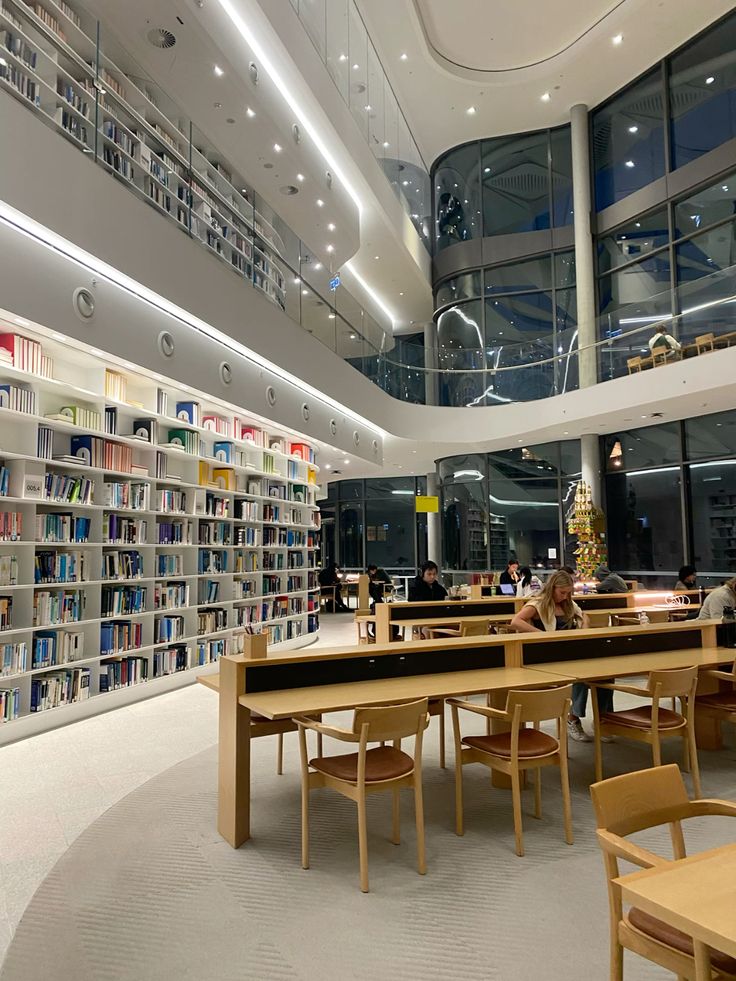
3. Understand the language requirement, both versions
This trips up most applicants. There are two separate language questions, and applicants confuse them constantly.
The admissions language requirement. The track you pick decides whether you need Korean before you apply. A Korean-taught program means you must already hold TOPIK Level 3 or higher when you apply (some elite departments want Level 4), so for that route you learn Korean first. An English-taught program accepts an English score instead (IELTS 5.5 to 6.5, TOEFL iBT 71 to 80, higher for elite programs) and you can be admitted with zero Korean.
The graduation language requirement. Even in English-taught programs, many universities require you to reach TOPIK Level 3 or 4 before you can graduate. This is buried in the academic regulations, not the admissions brochure.
If you have zero Korean today and you are aiming at Fall 2027 admission, start TOPIK study now. The exam is offered monthly inside Korea and roughly six times a year overseas. Plan around the official TOPIK schedule so you have a valid score in hand at application time.
4. Map your timeline backwards from your target intake
For a Fall 2027 intake, a realistic timeline looks like this.
15 to 18 months before (today, if you are reading this in 2026): Shortlist programs. Begin TOPIK or IELTS prep. Start collecting transcripts and contact recommenders.
12 months before: Take your first language test. Draft your study plan and personal statement. Identify three to five target professors if you are applying for research-heavy Masters or PhD.
9 months before: GKS application opens (varies by track). Even if your target intake is Fall, the GKS cycle is usually earlier in the year.
6 to 8 months before: University applications open. Most undergraduate international admissions for Fall intake close in May or June. Graduate Fall admissions usually close in March or April.
3 months before: Acceptance letters arrive. Begin D-2 visa application as soon as you have your Certificate of Admission and Certificate of Visa Issuance from the school.
6 weeks before: Housing, flights, ARC (Alien Registration Card) appointment booked.
5. The universal document checklist
Every Korean university wants some version of the same packet. Get clean PDFs of these early.
- High school diploma or undergrad degree certificate, apostilled or notarized
- Official transcripts with grading scale explained
- Passport copy (your applicant ID must match)
- Family register or birth certificate proving you and both parents hold non-Korean nationality, required for most international tracks
- Language test score reports (TOPIK, IELTS, or TOEFL)
- Personal statement and study plan
- Two or three letters of recommendation
- Financial statement or bank certification showing you can cover one year of tuition and living costs, waived if you have a scholarship
For graduate research applications, add a research proposal, prior publications, CV, and ideally a short email exchange with your target advisor before you submit.
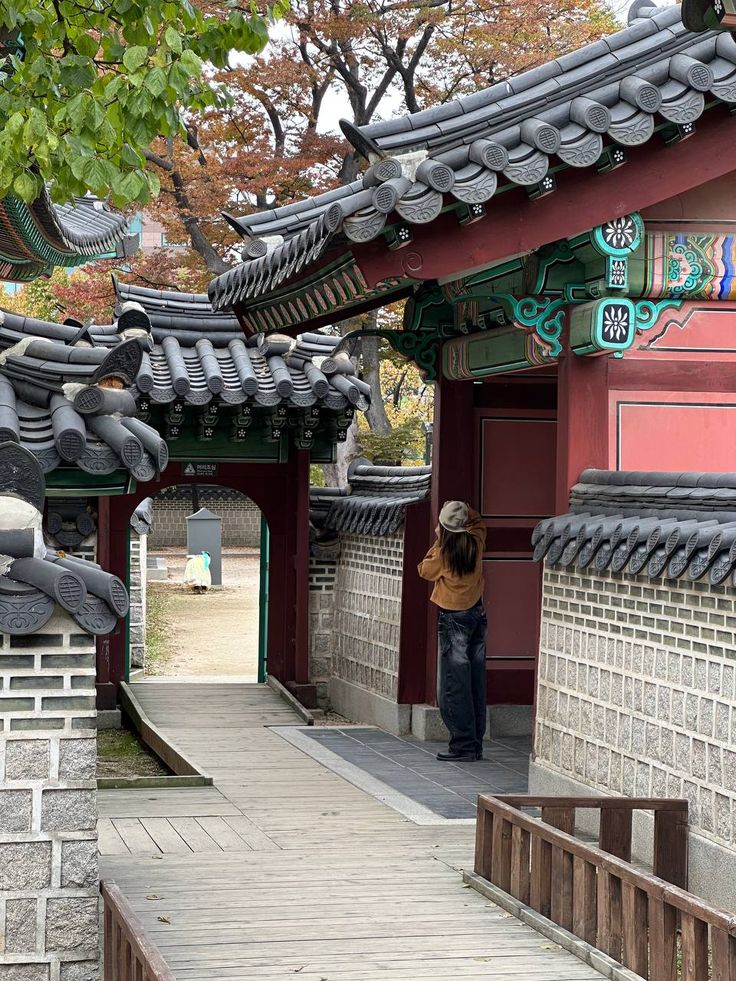
6. The D-2 student visa, in plain steps
Once you have an acceptance letter, the visa flow is short.
- The university issues a Certificate of Admission and a Certificate of Visa Issuance (CCVI or visa code).
- You take these, plus your passport, financial proof, and a photo, to the Korean embassy or consulate in your country.
- The embassy issues a D-2 visa, valid for the duration of your program.
- Within 90 days of arrival in Korea, visit your local immigration office (book on HiKorea) to get your Alien Registration Card (ARC).
The whole process from acceptance letter to landed-in-Korea is realistically 6 to 10 weeks. Build that buffer into your move plan.
7. Cost of living, honestly
Numbers you can actually plan around for 2027.
| Item | KRW | USD (approx) |
|---|---|---|
National universities (Seoul Nat'l, Pusan Nat'l, KAIST, etc.) Per year. STEM programs cost 10 to 30% more than humanities. | ₩5M to ₩12M | $3,700 to $8,900 |
Private universities (Yonsei, Korea Univ, SKKU, Hanyang, etc.) Per year. English-taught tracks are usually at the top of the range. | ₩8M to ₩18M | $5,930 to $13,300 |
Graduate programs (Masters, PhD) Per year. Research assistantships often cover most or all of this. | ₩6M to ₩14M | $4,450 to $10,370 |
| Item | KRW | USD (approx) |
|---|---|---|
Goshiwon or shared dormitory Small private room, shared kitchen, all utilities and wifi included. | ₩350K to ₩700K | $260 to $520 |
Shared apartment (one room in a 2 to 3 bed) Plus utilities of ₩60K to ₩120K ($45 to $90) per month. | ₩500K to ₩900K | $370 to $670 |
Studio apartment (officetel) Plus a deposit of ₩5M to ₩20M ($3,700 to $14,800). | ₩700K to ₩1.4M | $520 to $1,040 |
Food (mostly cooking + student meals) Campus cafeterias are ₩4K to ₩6K ($3 to $4.50) per meal. | ₩400K to ₩700K | $300 to $520 |
Transit (unlimited subway and bus) T-money monthly pass. Most of Seoul reachable in under 45 minutes. | ₩60K | $45 |
Mobile and internet Student MVNO plans are the cheapest option. | ₩30K to ₩50K | $22 to $37 |
National Health Insurance Mandatory from your seventh month in Korea. | ₩70K | $52 |
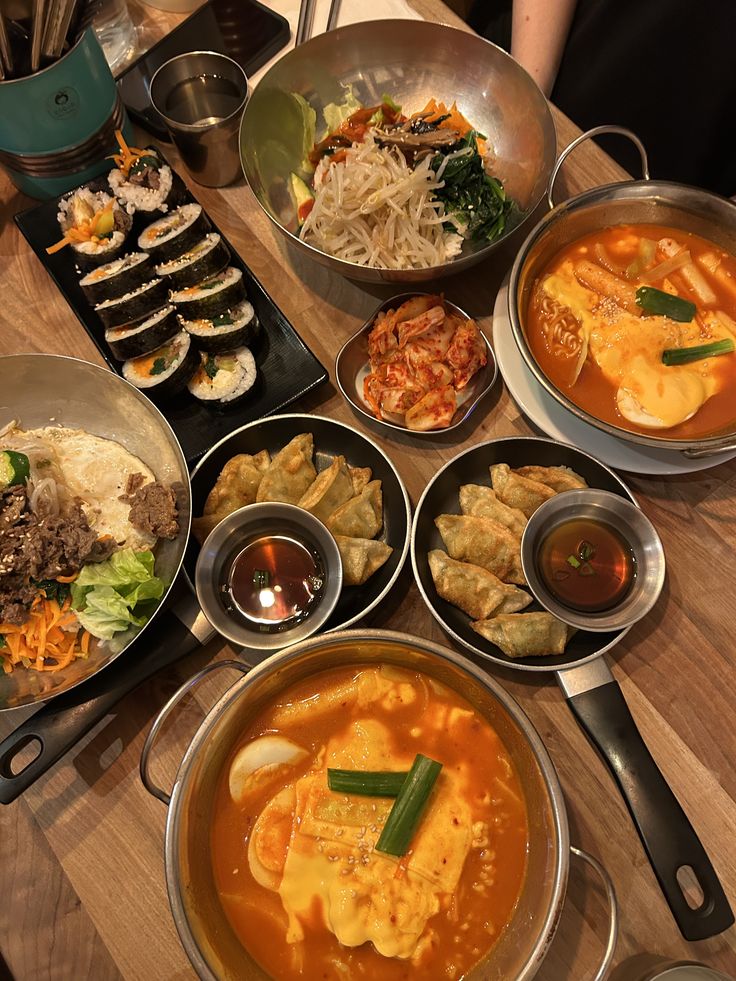
8. Five mistakes that quietly kill applications
Avoid these, in order of how often we see them.
1. Applying to too many wildcard schools and no realistic targets. Pick two reaches, three targets, one safety. Spread reduces overall odds, not increases them.
2. Writing a generic personal statement. Korean admissions committees explicitly look for applicants who know which professors and labs they want to work with. Name names.
3. Skipping TOPIK because the program is English-taught. Graduation language requirements exist. Future-you needs the score anyway.
4. Missing the apostille step on documents. Many countries require an apostille or consular legalization of your diploma. This can take 4 to 6 weeks. Start it the day you decide to apply.
5. Treating GKS like the only scholarship worth applying to. University scholarships in aggregate fund more international students than GKS does. Apply to both.
What to do next
If you are starting from zero today, this is the order.
- Read our scholarships index and bookmark three to five awards you are eligible for.
- If you are a parent helping a student through this, our parents page covers the questions that come up most often at home.
- Sign up for the KoreaAdmit beta to get a personalized eligibility shortlist in your language.
- Start your TOPIK or IELTS prep this month. Six months of consistent study moves the needle more than any other single decision.
Related guides
Go deeper on each step:
- Global Korea Scholarship (GKS): eligibility, benefits, and how to apply
- Fully funded scholarships in Korea for international students
- Study in Korea in English: English-taught degrees and TOPIK, explained
- How much does it cost to study in Korea?
- The D-2 student visa for Korea: requirements, documents, and timeline